
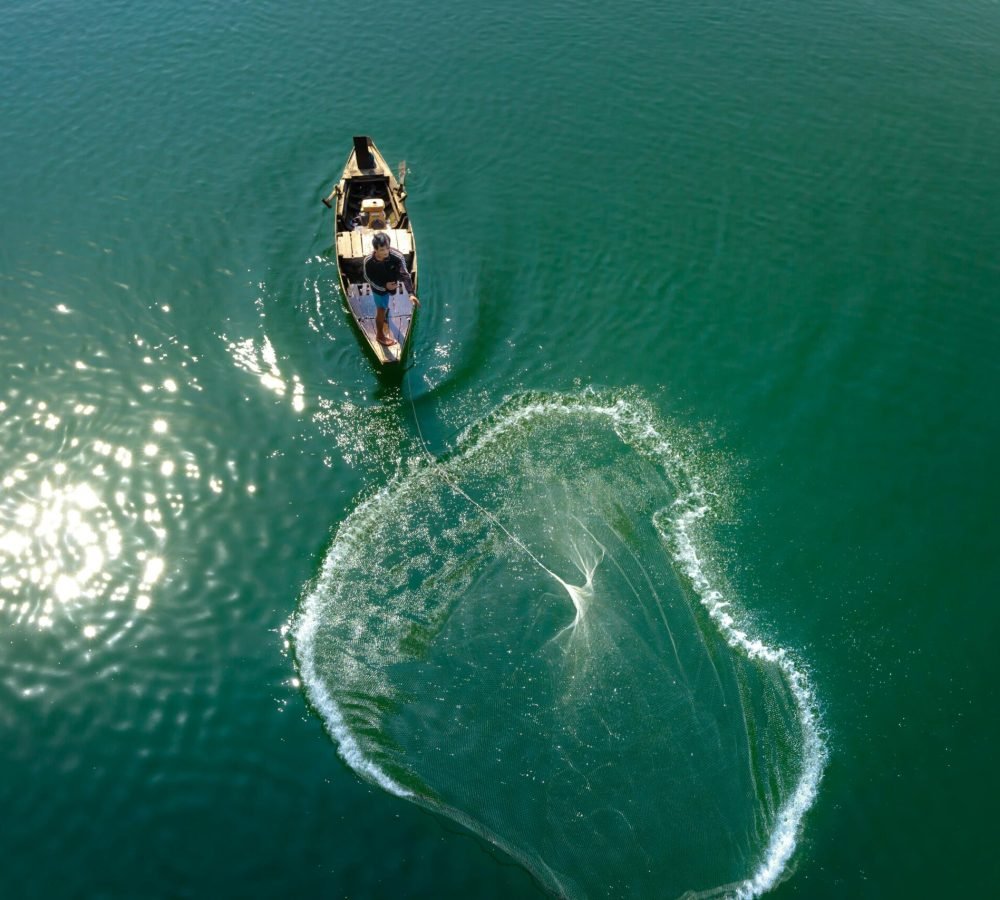
Eco-friendly Fish net
Sustainable materials serve as the foundation for building products and structures which reduce environmental harm while creating a better world for upcoming generations.
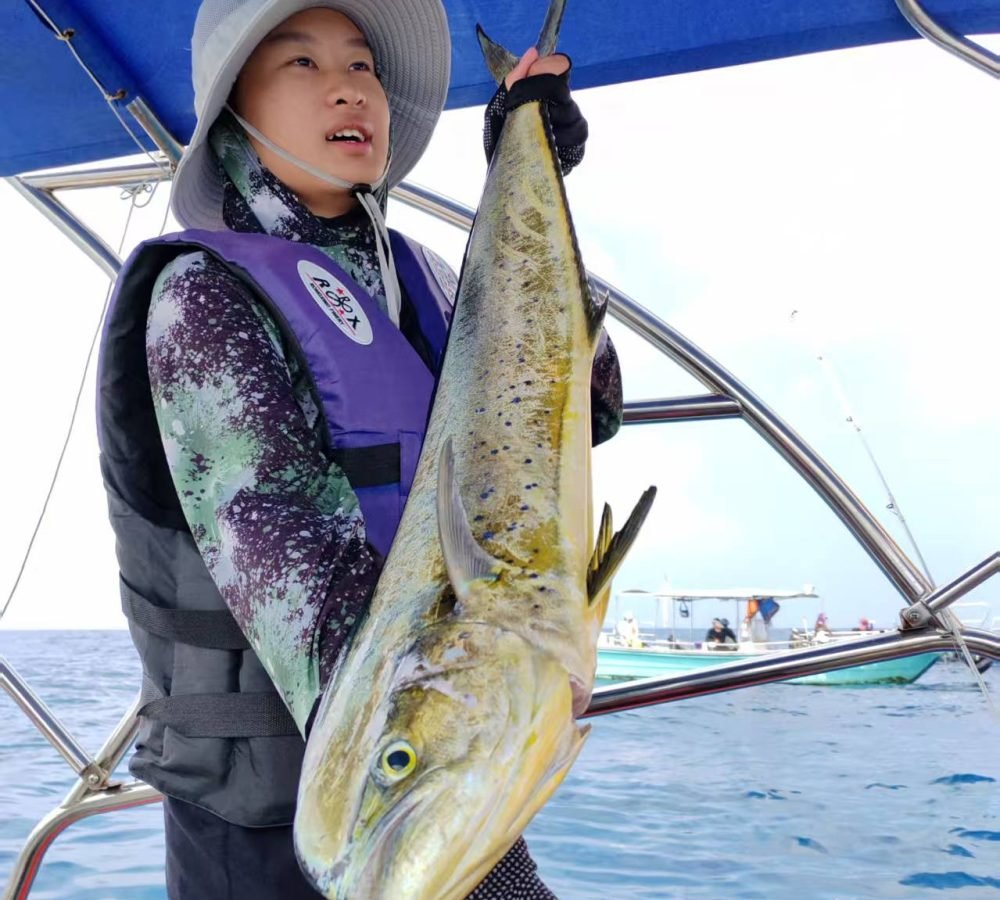
sustainable Fishing hook
Sustainable materials form the base of construction materials that help protect the environment while building a healthier planet for future generations.
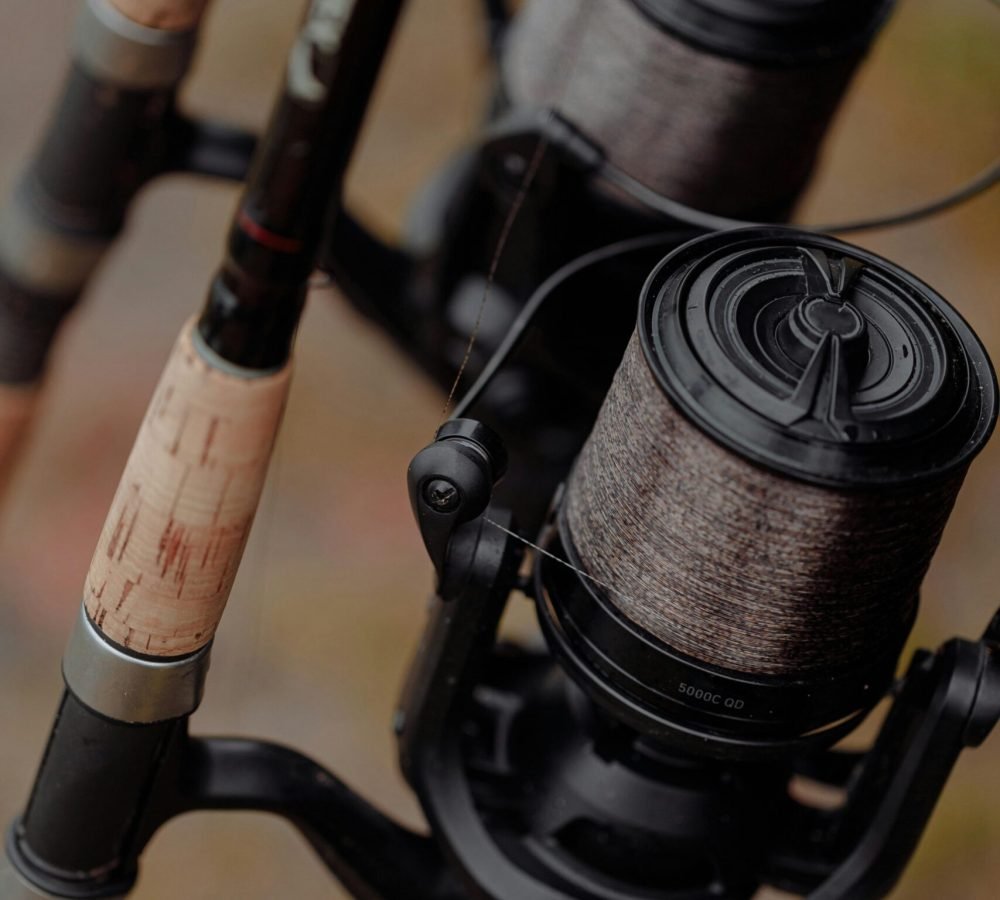
Environmental friendly fishing reels
The reels use an advanced material which scientists created to reduce environmental harm while preventing waste production. The new material serves as a sustainable solution which supports our dedication to environmentally responsible operations.
Research Report on Eco-Friendly Fishing Gear
1.Introduction
The practice of fishing stands as one of the leading recreational and commercial activities throughout the world. Traditional fishing equipment serves as a primary source that generates substantial marine pollution. The ocean contains abandoned fishing equipment including lines and nets and sinkers which stay there for extended periods of time to create extensive environmental damage. The document investigates the present challenges with fishing equipment and sustainable alternatives and market developments and provides guidance for environmentally friendly fishing gear solutions.
2.Problems with Traditional Fishing Gear
The ocean retains plastic fishing lines and nets for extended periods because these materials fail to decompose. The ocean environment faces two major threats from marine animals because they get trapped in fishing gear and consume plastic materials.
The use of lead sinkers in fishing results in heavy metal contamination of water bodies because these objects release toxic substances that enter the food chain and harm fish populations.
The practice of ghost fishing occurs when fishing nets which were abandoned or lost in the ocean continue to capture fish together with turtles and birds. The annual loss of 640,000 tons of fishing equipment in oceans creates a major problem according to data from FAO and UNEP.
3.Eco-friendly Alternatives
Biodegradable fishing lines
The production of fishing lines uses plant-based polymers which include polylactic acid (PLA) as their main material.
The materials break down naturally in the environment during a period ranging from 2 to 5 years.
Non-toxic sinkers
The production of non-toxic sinkers employs steel and tungsten and ceramic and stone materials.
The use of these materials protects the environment from heavy metal contamination while maintaining fishing performance levels.
Reusable fishing nets
The production of fishing nets employs recyclable nylon materials and bio-based fibers as their primary materials.
The manufacturing process includes reinforcement elements that enhance durability and enables users to perform repairs on the equipment.
Other innovations
The development of fishing hooks uses corrosion-resistant materials which dissolve harmlessly when they get lost in the water.
Smart tracking devices serve as a solution to decrease the occurrence of “ghost gear.”
4.Benefits of Eco-friendly Gear
The protection of marine life and ecosystems forms part of the environmental advantages that eco-friendly gear provides.
The practice of sustainability protects fish populations from depletion so they remain available for future generations.
The use of this equipment protects human health by decreasing the amount of heavy metals that enter the environment.
The adoption of eco-friendly fishing gear helps anglers and fishing communities develop a favorable public perception.
5.Market and Policy Trends
The world has started to adopt biodegradable fishing lines and nets through testing programs which Japan and Norway currently conduct.
Several areas within the United States and Canada have implemented laws which ban the use of lead sinkers for fishing.
The World Wildlife Fund together with Ocean Conservancy work to promote environmentally friendly fishing methods through their advocacy efforts.
The increasing knowledge about sustainable fishing among recreational anglers creates new business prospects for green fishing equipment.
6.Recommendations
Anglers should select biodegradable fishing lines and non-lead sinkers while making sure to discard their outdated fishing equipment correctly.
Businesses should direct their funding toward developing affordable sustainable fishing equipment through research and development initiatives.
Government institutions should establish reward systems and implement toxic material bans while launching public education programs about sustainable fishing methods.
People need to understand how ghost fishing affects the environment while promoting environmentally friendly fishing practices to society.
7.Conclusion
The development of eco-friendly fishing equipment combines innovative materials with essential protection for marine ecosystems. Sustainable fishing equipment solutions enable people to maintain their fishing activities while safeguarding ocean resources for upcoming generations. The transition to environmentally friendly fishing equipment requires collective action between people and businesses and government institutions.
Our Mission
Our Products
Eco-friendly Fishing Float/Bobber
Brand: LEE FISHER SPORTS
Product Name: Lee Fisher Sports Joy Fish KD-20Float-EVA Material for Ecosystem Friendly, Color : Yellow
Size: 6.5”
Price: US$5.99
Contact:
Eco-friendly Fishing Line
Brand: Mustad – TUF‑LINE
Product Name: Tuf‑Line Biodegradable Monofilament Fishing Line, 100% biodegradable, low‑visibility, abrasion‑resistant, with strong knot integrity.
Size: 200yds 6lb clear
Price: US$16.99
Contact:
Short Intro:
The product combines durability with strength and biodegradability to support environmentally friendly fishing practices.
Eco-friendly Bait
Product Name: Berkley PowerBait Power Floating Trout Worm Fishing Soft Bait
Color: Red
Size:3”(15 Count)
Price :US$5.95
Eco-friendly Tungsten Weights
Volunteer & Activities
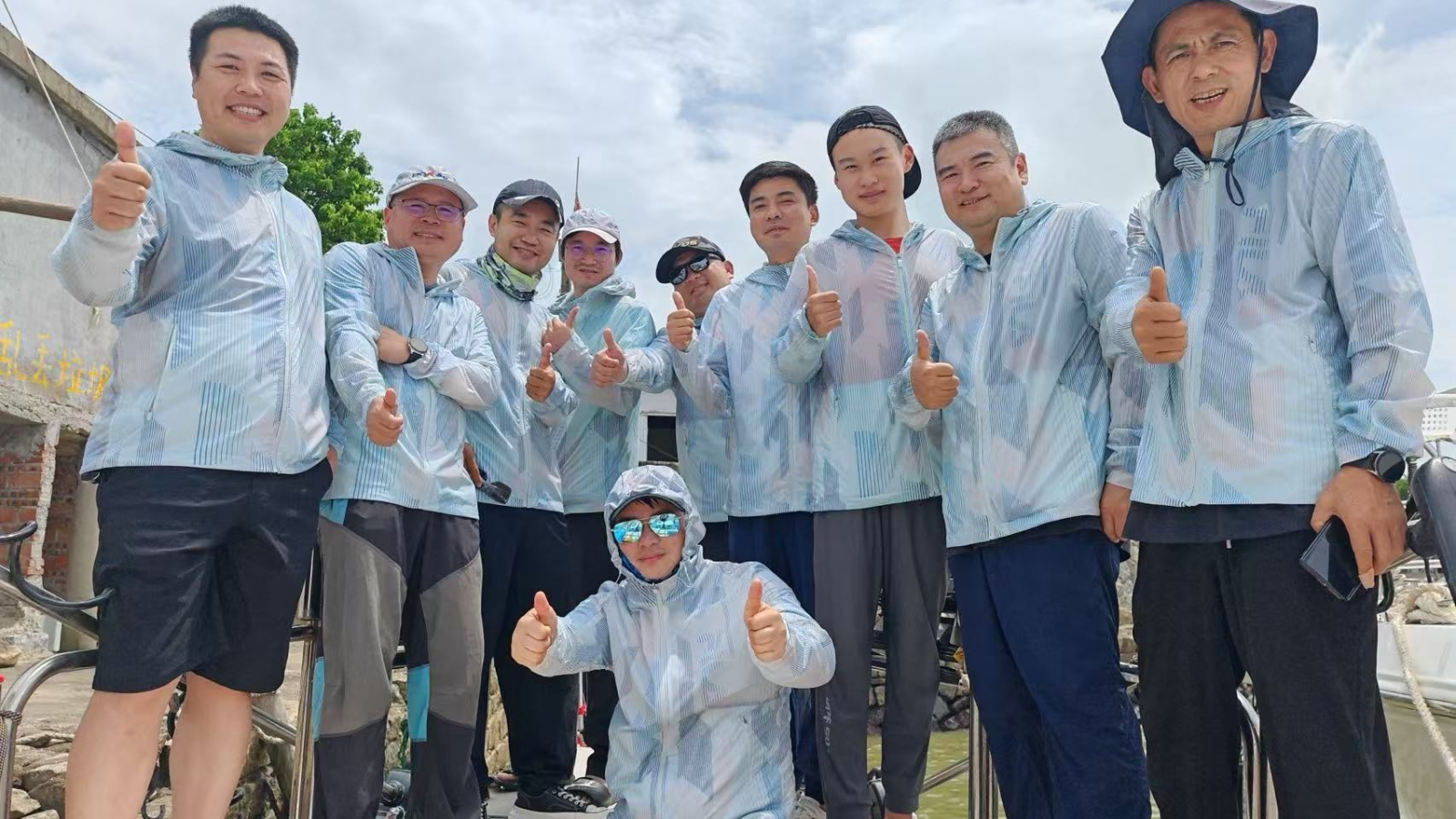
Fishing Activities
Our group practices environmentally friendly fishing methods with sustainable equipment while teaching others about our sustainable fishing methods.
Online Meetings
We uses online meetings to share knowledge about environmentally friendly fishing methods while spreading awareness about ocean protection.
Global Support for Eco-Friendly Fishing
Our sustainable fishing project has received encouraging responses from government agencies, national fisheries departments, and international fishing associations across multiple countries.
Below are selected official emails recognizing our efforts in promoting eco-friendly fishing gear and reducing marine pollution caused by ghost gear.
🌏 Section 1 — Government Responses
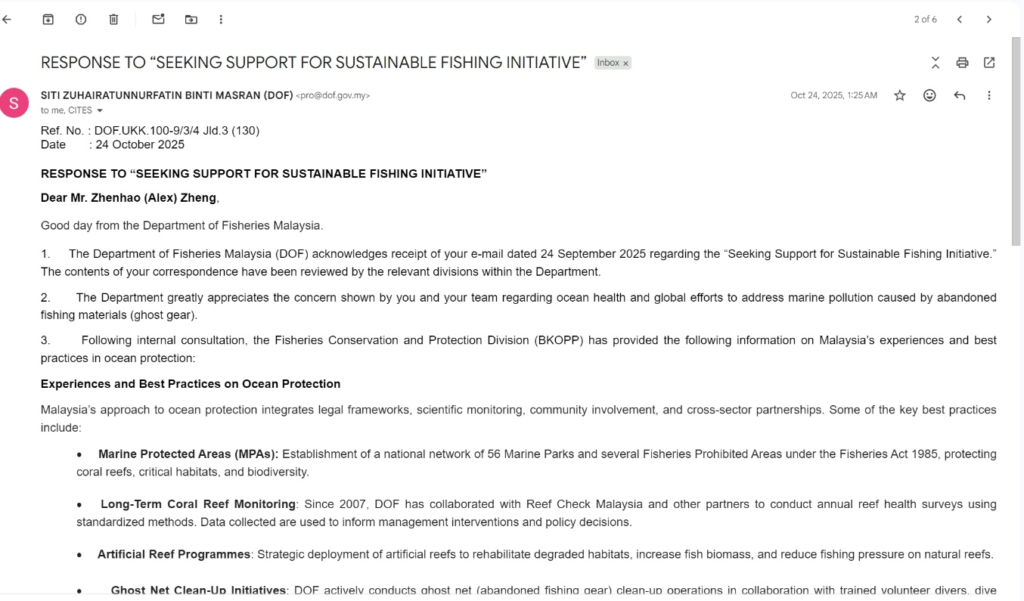
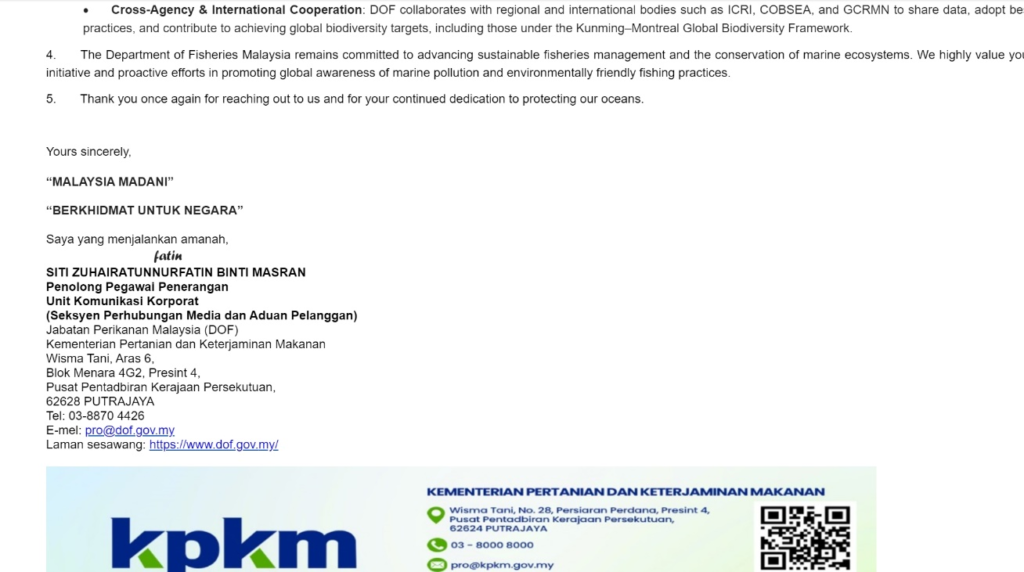
The Malaysian Department of Fisheries reviewed my proposal and shared Malaysia’s national best practices in ocean protection, including MPAs, ghost gear clean-up, reef monitoring, and international cooperation.
🌏 Section 2—China Fishing Union — Official Response
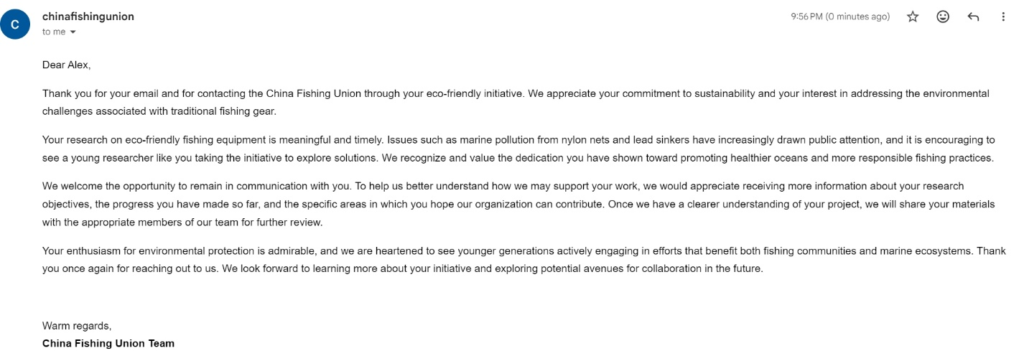
The China Fishing Union responded to Alex’s inquiry with strong recognition of his eco-friendly fishing gear research. Their reply highlights the importance of reducing marine pollution caused by traditional fishing equipment and expresses willingness to remain in communication and explore future collaboration.
🌍 Section 3 — International Associations Responses
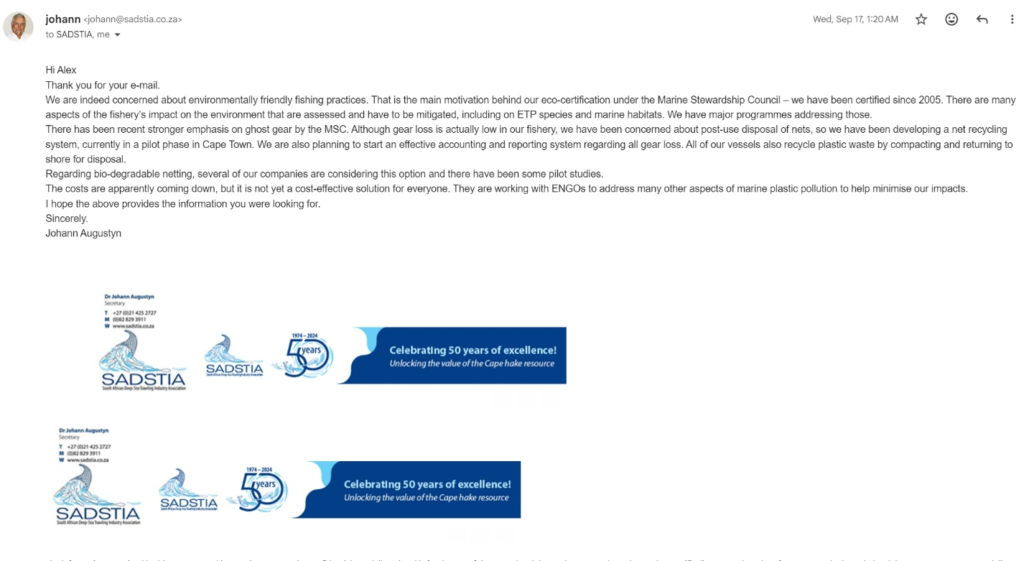
SADSTIA emphasized their commitment to eco-certified fishing, ghost gear reduction, net recycling, and biodegradable netting research. They provided insights into ongoing pilot programs in Cape Town.
The group consists of high school students who dedicate themselves to ocean protection alongside sustainable fishing practice promotion. Our platform exists to spread knowledge about environmentally friendly fishing equipment while motivating others to support ocean conservation initiatives.
The concept of Ecofriendly Fishing emerged from our individual experiences with fishing activities. The traditional fishing equipment we used proved to be dangerous for both ocean creatures and environmental systems. We chose to establish this platform because we wanted to educate students and communities about environmentally friendly fishing equipment alternatives.
The organization works to teach sustainable fishing methods while promoting environmentally friendly fishing practices and backing initiatives that defend marine habitats.
The selection of biodegradable fishing hooks together with eco-friendly bait represents two essential actions which produce substantial environmental benefits. Our organization envisions a future where people can enjoy fishing while maintaining environmental sustainability in their practices.
1.Introduction
The practice of fishing stands as one of the leading recreational and commercial activities throughout the world. Traditional fishing equipment serves as a primary source that generates substantial marine pollution. The ocean contains abandoned fishing equipment including lines and nets and sinkers which stay there for extended periods of time to create extensive environmental damage. The document investigates the present challenges with fishing equipment and sustainable alternatives and market developments and provides guidance for environmentally friendly fishing gear solutions.
2.Problems with Traditional Fishing Gear
The ocean retains plastic fishing lines and nets for extended periods because these materials fail to decompose. The ocean environment faces two major threats from marine animals because they get trapped in fishing gear and consume plastic materials.
The use of lead sinkers in fishing results in heavy metal contamination of water bodies because these objects release toxic substances that enter the food chain and harm fish populations.
The practice of ghost fishing occurs when fishing nets which were abandoned or lost in the ocean continue to capture fish together with turtles and birds. The annual loss of 640,000 tons of fishing equipment in oceans creates a major problem according to data from FAO and UNEP.
3.Eco-friendly Alternatives
Biodegradable fishing lines
The production of fishing lines uses plant-based polymers which include polylactic acid (PLA) as their main material.
The materials break down naturally in the environment during a period ranging from 2 to 5 years.
Non-toxic sinkers
The production of non-toxic sinkers employs steel and tungsten and ceramic and stone materials.
The use of these materials protects the environment from heavy metal contamination while maintaining fishing performance levels.
Reusable fishing nets
The production of fishing nets employs recyclable nylon materials and bio-based fibers as their primary materials.
The manufacturing process includes reinforcement elements that enhance durability and enables users to perform repairs on the equipment.
Other innovations
The development of fishing hooks uses corrosion-resistant materials which dissolve harmlessly when they get lost in the water.
Smart tracking devices serve as a solution to decrease the occurrence of "ghost gear."
4.Benefits of Eco-friendly Gear
The protection of marine life and ecosystems forms part of the environmental advantages that eco-friendly gear provides.
The practice of sustainability protects fish populations from depletion so they remain available for future generations.
The use of this equipment protects human health by decreasing the amount of heavy metals that enter the environment.
The adoption of eco-friendly fishing gear helps anglers and fishing communities develop a favorable public perception.
5.Market and Policy Trends
The world has started to adopt biodegradable fishing lines and nets through testing programs which Japan and Norway currently conduct.
Several areas within the United States and Canada have implemented laws which ban the use of lead sinkers for fishing.
The World Wildlife Fund together with Ocean Conservancy work to promote environmentally friendly fishing methods through their advocacy efforts.
The increasing knowledge about sustainable fishing among recreational anglers creates new business prospects for green fishing equipment.
6.Recommendations
Anglers should select biodegradable fishing lines and non-lead sinkers while making sure to discard their outdated fishing equipment correctly.
Businesses should direct their funding toward developing affordable sustainable fishing equipment through research and development initiatives.
Government institutions should establish reward systems and implement toxic material bans while launching public education programs about sustainable fishing methods.
People need to understand how ghost fishing affects the environment while promoting environmentally friendly fishing practices to society.
7.Conclusion
The development of eco-friendly fishing equipment combines innovative materials with essential protection for marine ecosystems. Sustainable fishing equipment solutions enable people to maintain their fishing activities while safeguarding ocean resources for upcoming generations. The transition to environmentally friendly fishing equipment requires collective action between people and businesses and government institutions.
During fishing trips I always had seals as my constant companions who floated quietly in the ocean waters. The seals accompanied me throughout my entire fishing experience. The traditional fishing equipment I used to see eventually revealed its potential to endanger these marine animals. I started creating environmentally friendly fishing gear because I wanted to minimize bycatch and defend the local seal population and maintain the coastal habitats which formed my life experience. The project represents my effort to develop sustainable fishing practices which will enable upcoming generations to encounter the same untamed marine animals in the ocean.
(Video from my fishing trip at Long Beach California)
Protecting Our Oceans
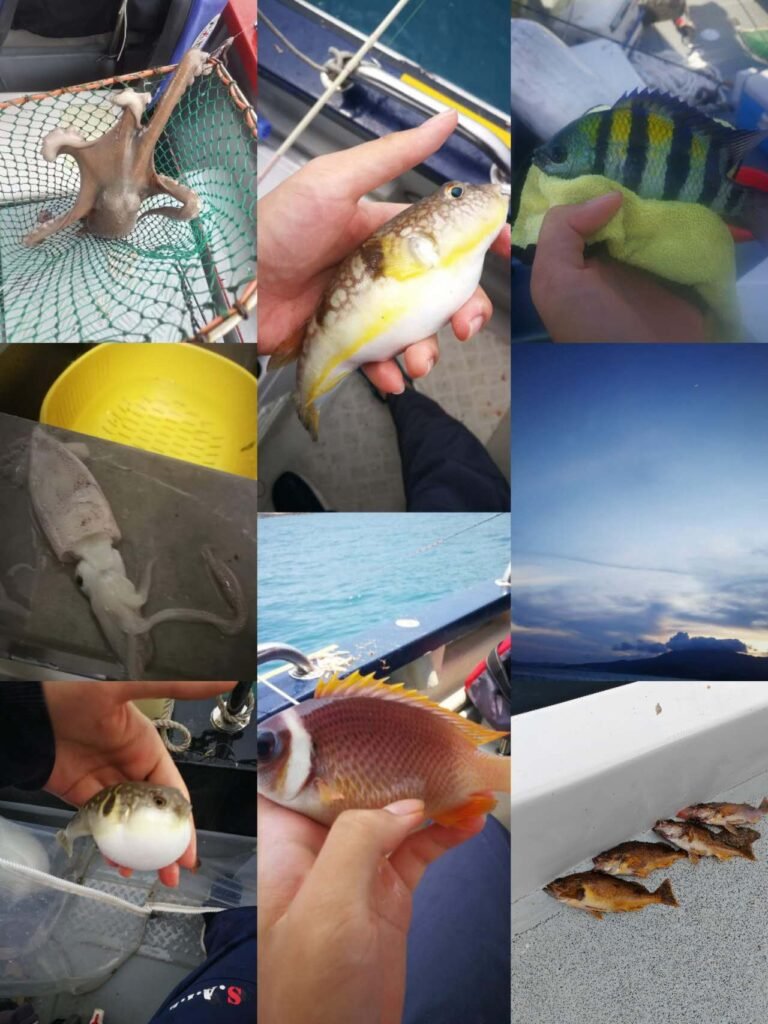
I believe humans should embrace and respect marine life as vital parts of our world. Years of fishing have shown me how fragile that balance is. That’s why I support eco-friendly fishing gear, which helps protect fish and their habitats. It proves that we can fish responsibly while caring for the ocean’s future.
(Catches shown at left from my fishing trips.)